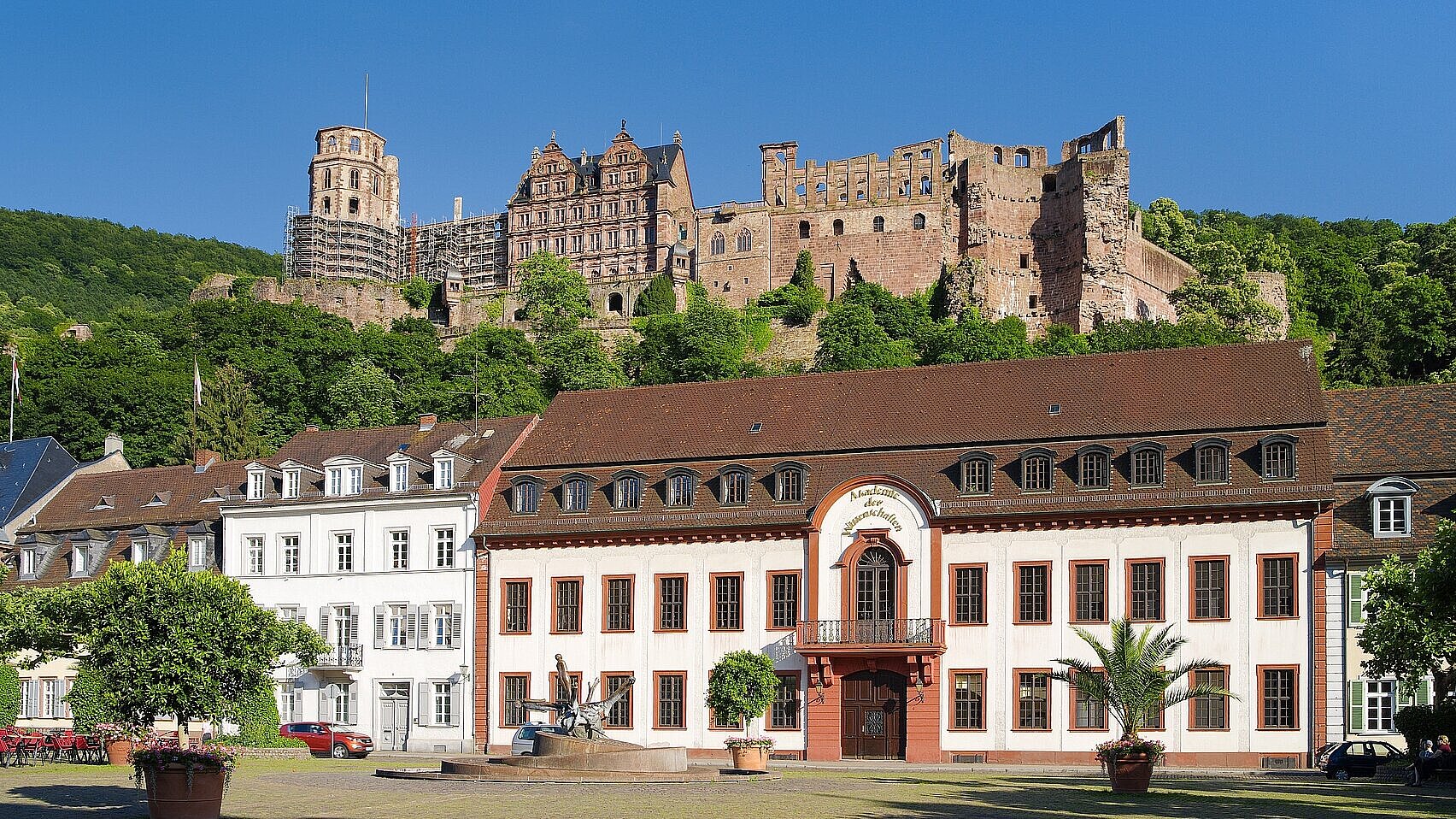
April | Lebensnah: Musterdokumente aus dem Frühmittelalter
Wer denkt, Formulierungshilfen und Textgenerierung seien neue Erfindungen, irrt. Bereits im Frühmittelalter gab es ganze Sammlungen von…

Wissenschaftsjahr 2024 – Freiheit
Unter der Überschrift PERSPEKTIVE: FREIHEIT finden verschiedene Veranstaltungen der Wissenschaftsakademien an unterschiedlichsten Orten in ganz…
Schon gewusst … dass Kaiser Friedrich II. jedem, der seinen Namen falsch schrieb, den Daumen abhacken ließ?
„Fridericus“ statt „Fredericus“: Ein Aberglaube des Kaisers Friedrich II. führte dazu, dass er einem Notar den Daumen abhacken ließ, weil er…

Liebe - Enzyklopädie der ganz großen Worte
Um das große Wort "Liebe" geht es in der neuen Folge unseres Podcasts mit Alexandra Freund und Ernst Osterkamp.

- Projekt des MonatsApril | Lebensnah: Musterdokumente aus dem Frühmittelalter
- WissenschaftsjahrWissenschaftsjahr 2024 – Freiheit
- Schon gewusst ...?Schon gewusst … dass Kaiser Friedrich II. jedem, der seinen Namen falsch schrieb, den Daumen abhacken ließ?
- MediathekAudioLiebe - Enzyklopädie der ganz großen Worte
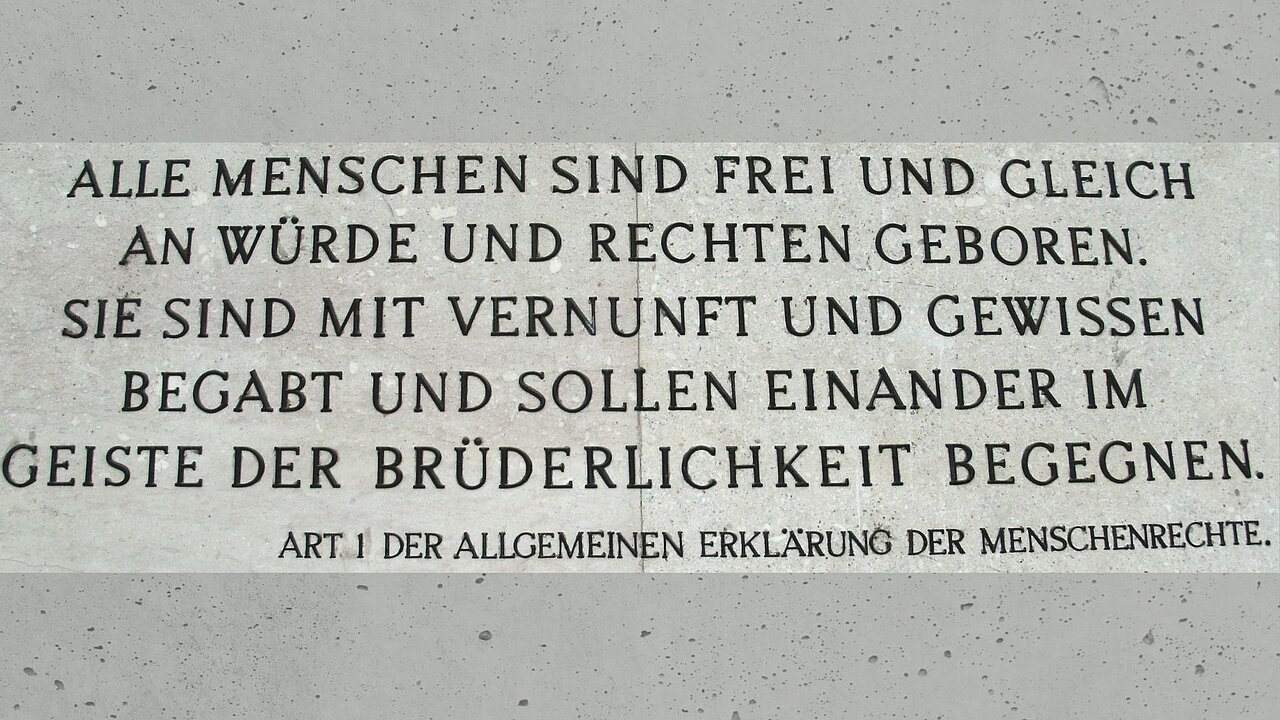
Für eine offene Gesellschaft und eine starke Demokratie
Die offene Gesellschaft ist derzeit dramatisch gefährdet. Deshalb schließt sich die Akademienunion der Stellungnahme der Allianz der Wissenschaftsorganisationen nachdrücklich an. Sie bekräftigt das darin enthaltenen Bekenntnis zu den Grundwerten der demokratischen Gesellschaft.

Enzyklopädie der ganz großen Worte - Podcast der Akademienunion
Unterhaltsam und tiefgründig zugleich beleuchtet die „Enzyklopädie der ganz großen Worte“ die zentralen Begriffe unserer Gesellschaft. In jeder Folge kommt eine Forscherin oder ein Forscher aus dem Akademienprogramm mit einem Akademiemitglied ins Gespräch. Unionspräsident Prof. Dr. Christoph Markschies moderiert die Podcastfolgen. Der Jingle für den Podcast wurde von Mitarbeitenden des Akademienvorhabens Bernd Alois Zimmermann Gesamtausgabe eigens komponiert und aufgenommen.
Der Podcast ist auf folgenden Plattformen verfügbar: Spotify | Amazon Music | Deezer | Google Podcasts

Tiefe Verbundenheit und Mitgefühl mit Israel
Die Union der deutschen Akademien der Wissenschaften stützt die Stellungnahme der Allianz der Wissenschaftsorganisationen zur aktuellen Situation in Israel ausdrücklich. In tiefer Verbundenheit und Mitgefühl erklärt sie sich solidarisch mit den Opfern dieses grausamen Konfliktes.
Aktuelle Beiträge in der Mediathek
Liebe - Enzyklopädie der ganz großen Worte
Um das große Wort "Liebe" geht es in der neuen Folge unseres Podcasts mit Alexandra Freund und Ernst Osterkamp.
Schlaglicht: Warum und wie frühmittelalterliche Musterdokumente erforschen? Das Langzeitvorhaben „Formulae – Litterae – Chartae“
Im Gespräch: Prof. Dr. Philippe Depreux. Der Professor für Mittelalterliche Geschichte leitet das Akademie-Projekt „Formulae – Litterae – Chartae“, das Grundlagenforschung zur Geschichte des Frühmittelalters leistet.
Grundlagenforschung zur Geschichte des Frühmittelalters. Das Akademieprojekt „Formulae – Litterae – Chartae“
Im Podcast erzählt Depreux, was ihn an den Formulae fasziniert. Er veranschaulicht an Beispielen, welche Einblicke diese Musterdokumente in den frühmittelalterlichen Alltag bieten.

Beiträge und Engagement der Akademien und der Akademienunion zum Thema Ukraine-Krieg
Die Akademien und die Akademienunion engagieren sich auf vielfältige Weise für die Ukraine. Neben Initiativen für Wissenschaftlerinnen und Wissenschaftler und Solidaritätserklärungen ist der Krieg in der Ukraine Gegenstand von zahlreichen Veranstaltungen und Publikationen.

Akademienprogramm - Exzellenz in Geisteswissenschaften
Das gemeinsame Forschungsprogramm der Wissenschaftsakademien dient der Erschließung, Sicherung und Erforschung des kulturellen Erbes weltweit und ist das derzeit größte geisteswissenschaftliche Langzeitforschungsprogramm der Bundesrepublik Deutschland. Derzeit werden im Akademienprogramm 125 Vorhaben an rund 188 Arbeitsstellen bearbeitet (Stand 2024). Zentrale Aufgabe der Akademienunion ist die Koordinierung dieses einzigartigen Programms, das von Bund und Ländern gemeinsam finanziert wird.
"Mit dem Akademienprogramm fördern und bewahren wir die kulturellen Wurzeln unserer Gesellschaft seit nunmehr 40 Jahren. Das Akademienprogramm hat sich damit als einzigartiger Wissensspeicher unseres kulturellen Gedächtnisses etabliert."
Dr. Angela Merkel
Bundeskanzlerin a. D.

Expertinnen- und Expertensuche
Unter dem Dach der Akademienunion sind mehr als 2.000 exzellente Wissenschaftlerinnen und Wissenschaftler vereint, die zu den national wie international hervorragenden Vertreterinnen und Vertretern ihrer Fachgebiete gehören. In unserer Datenbank finden Kontaktdaten der Expertinnen und Experten und können nach thematischen Schlagworten suchen.
Die Akademienunion auf Social Media
X
Folgen Sie uns auf X und bleiben Sie immer auf dem neuesten Stand bei Pressemitteilungen, Nachrichten, Veranstaltungsankündigungen und Publikationen.
Zum X-AccountFolgen Sie uns auf Instagram und erfahren Sie mehr über unser Akademienprogramm und spannende Fakten rund um die Akademienunion.
Zum Instagram-AccountYouTube
Auf unserem YouTube-Kanal finden Sie Live-Mitschnitte und Aufzeichnungen von Veranstaltungen sowie viele spannende Videos rund um das Akademienprogramm.
Zum YouTube-Kanal