Heidelberger Akademie der Wissenschaften
gegründet 1909
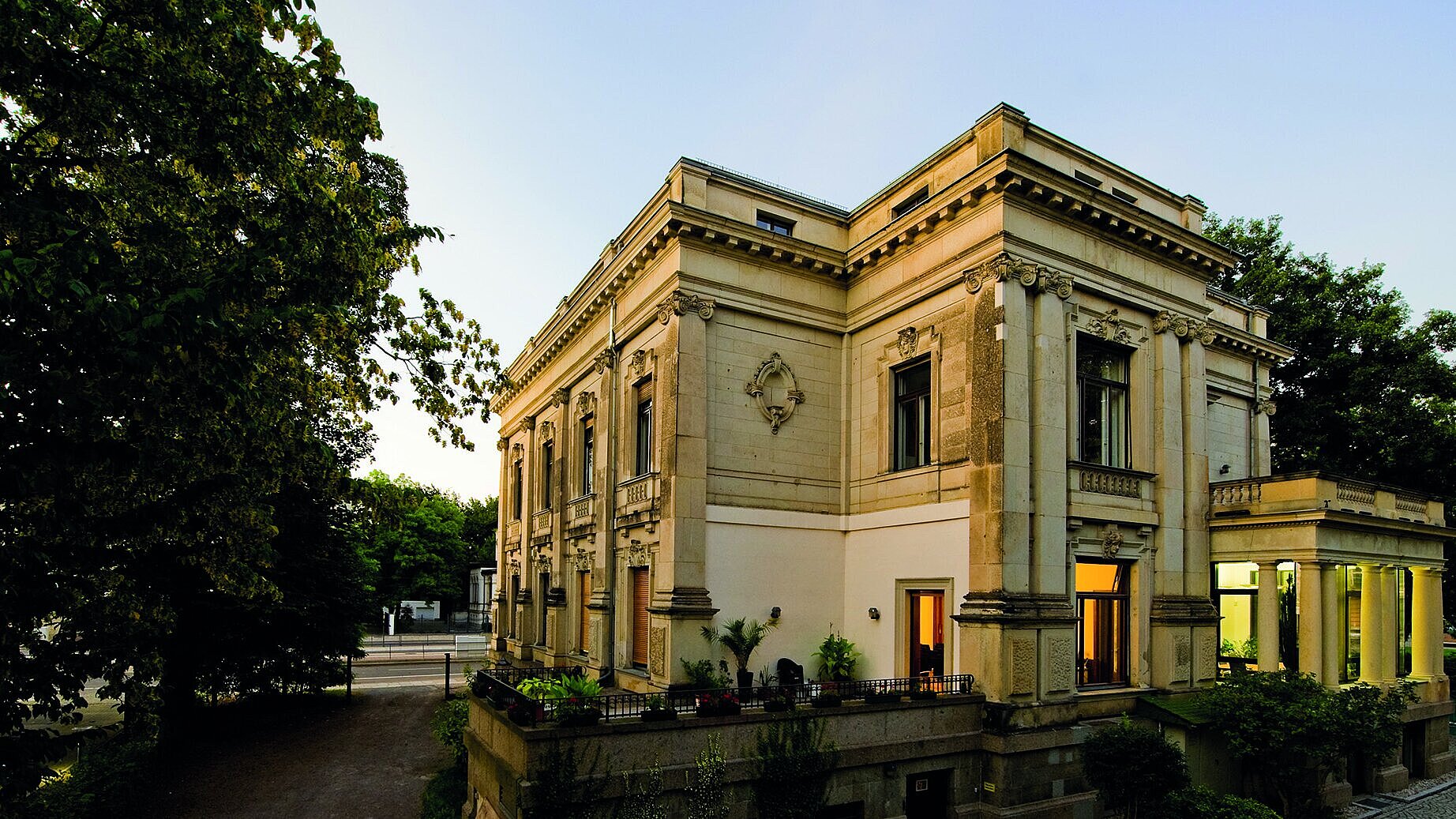
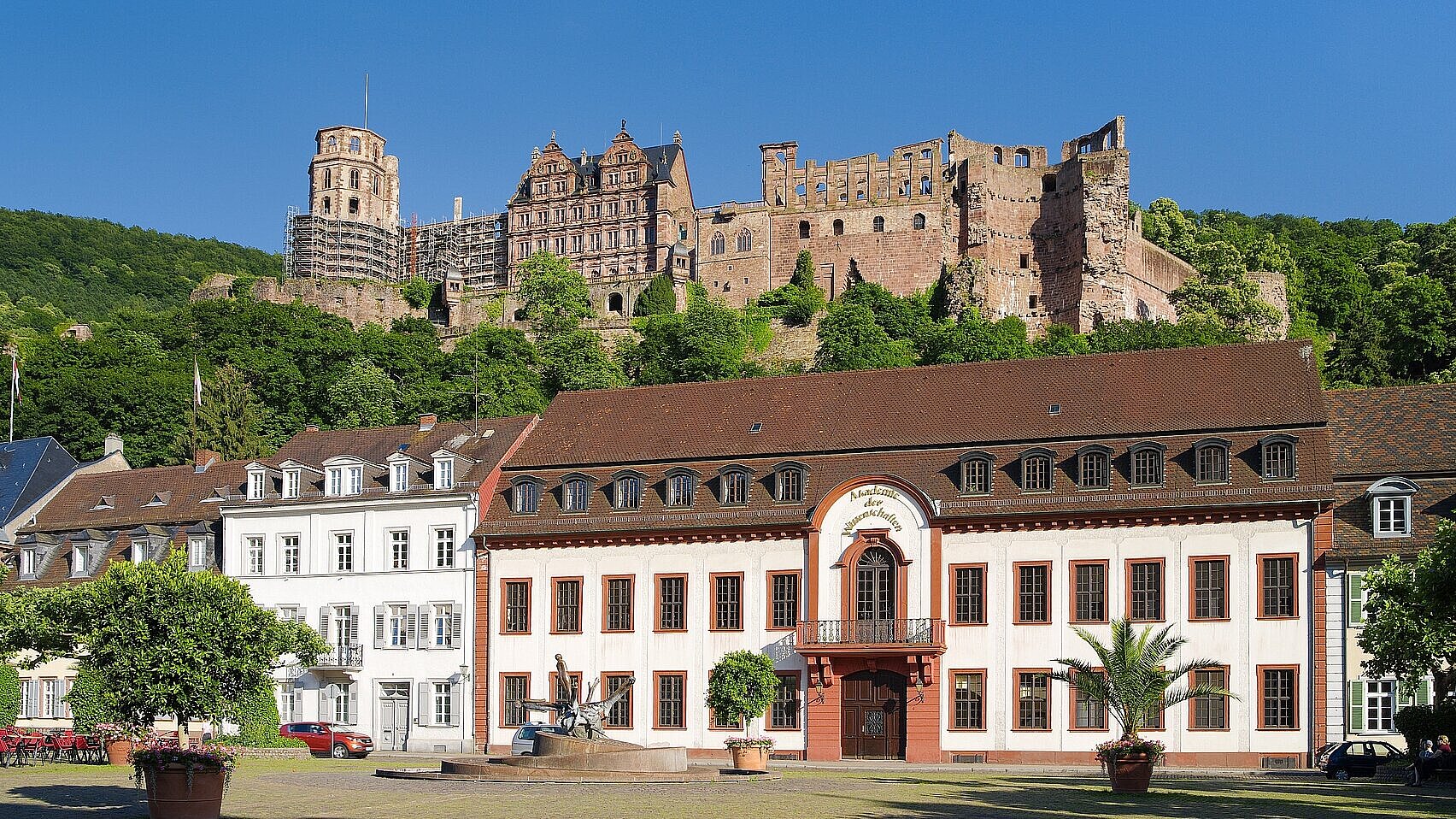
Die Heidelberger Akademie hat ihren Sitz in dem ehemaligen Großherzoglichen Palais unterhalb des Heidelberger Schlosses.
Die Heidelberger Akademie der Wissenschaften wurde 1909 konstituiert. Dem Gründungsgedanken, die herausragenden Wissenschaftlerinnen und Wissenschaftler des Landes zum fächerübergreifenden Gespräch und zu unabhängiger Forschung zusammenzuführen, ist die Landesakademie Baden-Württembergs treu geblieben. Bis heute ist sie klassische Gelehrtengesellschaft und moderne außeruniversitäre Forschungseinrichtung; sie veranstaltet wissenschaftliche Tagungen und öffentliche Vortragsreihen und fördert junge Wissenschaftlerinnen und Wissenschaftler, z. B. durch das sogenannte WIN-Kolleg sowie durch die Vergabe von Forschungspreisen.
Zu ordentlichen Mitgliedern wählt die Akademie Wissenschaftlerinnen und Wissenschaftler im Land Baden-Württemberg, die sich durch hervorragende wissenschaftliche Leistungen ausgewiesen haben.

Heidelberger Akademie der Wissenschaften
Karlstraße 4
69117 Heidelberg
Tel. 06221 / 54 32-65, -66
Fax 06221 / 54 33 55
Das Spektrum der derzeit insgesamt 20 Forschungsprojekte ist breit gefächert. So entsteht hier beispielsweise ein Kommentar der Hauptwerke des Philosophen Friedrich Nietzsche, der die bereits vorhandenen Forschungsergebnisse zusammenführt, systematisiert und erweitert.
Ein weiteres Forschungsvorhaben – "The Role of Culture in Early Expansions of Humans" – hat zum Ziel, die raumzeitlichen Wanderungsmuster von Homininen in Afrika, Asien und Europa zwischen drei Millionen und 20.000 Jahren vor heute zu rekonstruieren sowie die natürlichen und kulturellen Bedingungen der verschiedenen Ausbreitungen zu beleuchten. Andere Projekte dokumentieren buddhistische Steinschriften in Nordchina oder literarische Keilschrifttexte aus Assur und erschließen damit weltweit kulturelles Erbe mehrerer Jahrtausende.


Ausgewählte Projekte der Akademie
The Role of Culture in Early Expansions of Humans


- Ausgewählte Projekte der Akademie
- Ausgewählte Projekte der Akademie
- Ausgewählte Projekte der Akademie
- Ausgewählte Projekte der Akademie
Präsidium
Sekretare
Prof. Dr. Lutz Gade
Mathematisch-naturwissenschaftlichen Klasse
Anorganische Chemie
Prof. Dr. Sabine Dabringhaus
Philosophisch-historischen Klasse
Geschäftsstelle
Dr. Dieta Svoboda-Baas
Referat Wissenschaft und digitale Infrastruktur
Dr. Herbert von Bose | Uta Hüttig
Presse- und Öffentlichkeitsarbeit