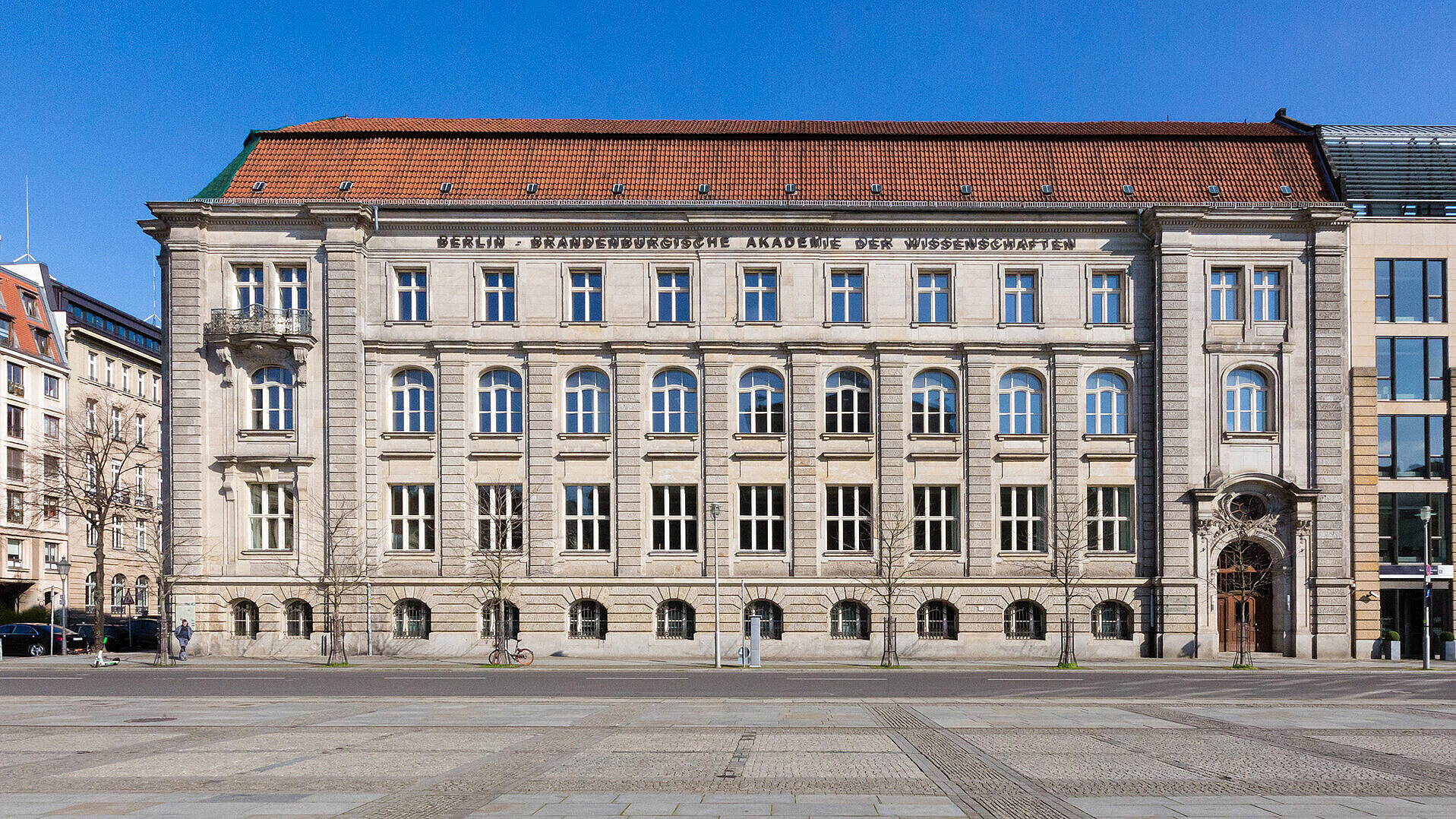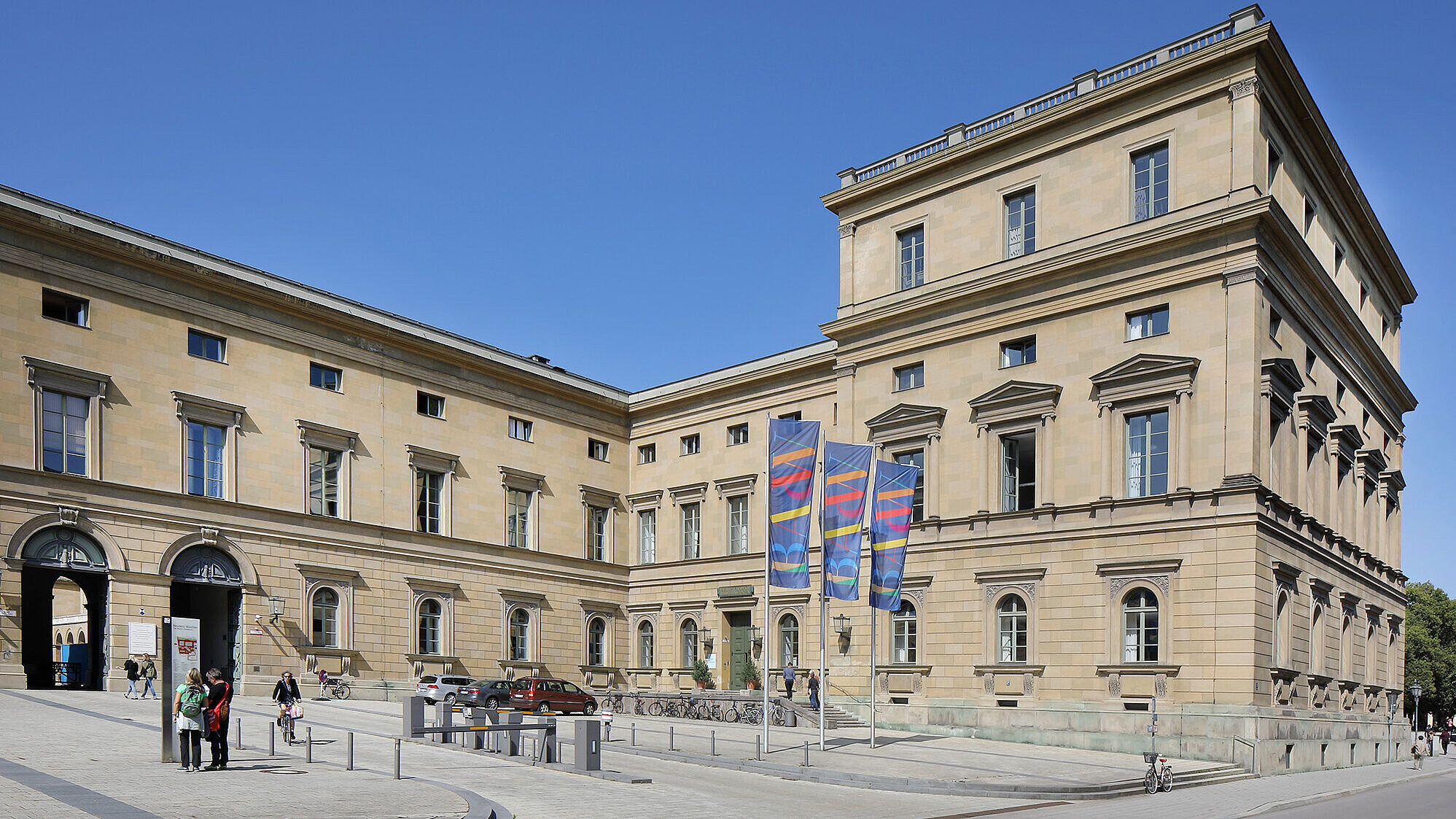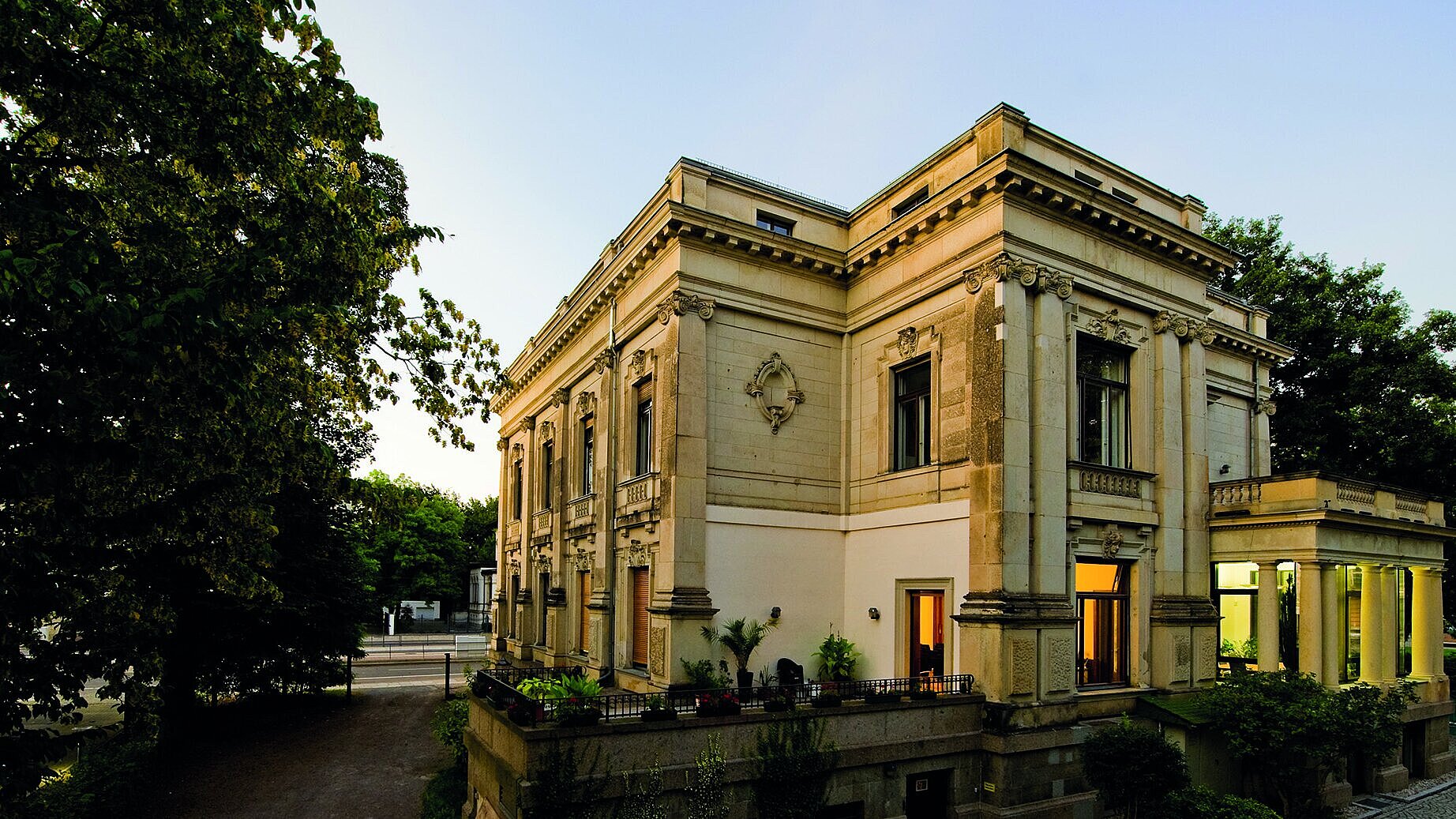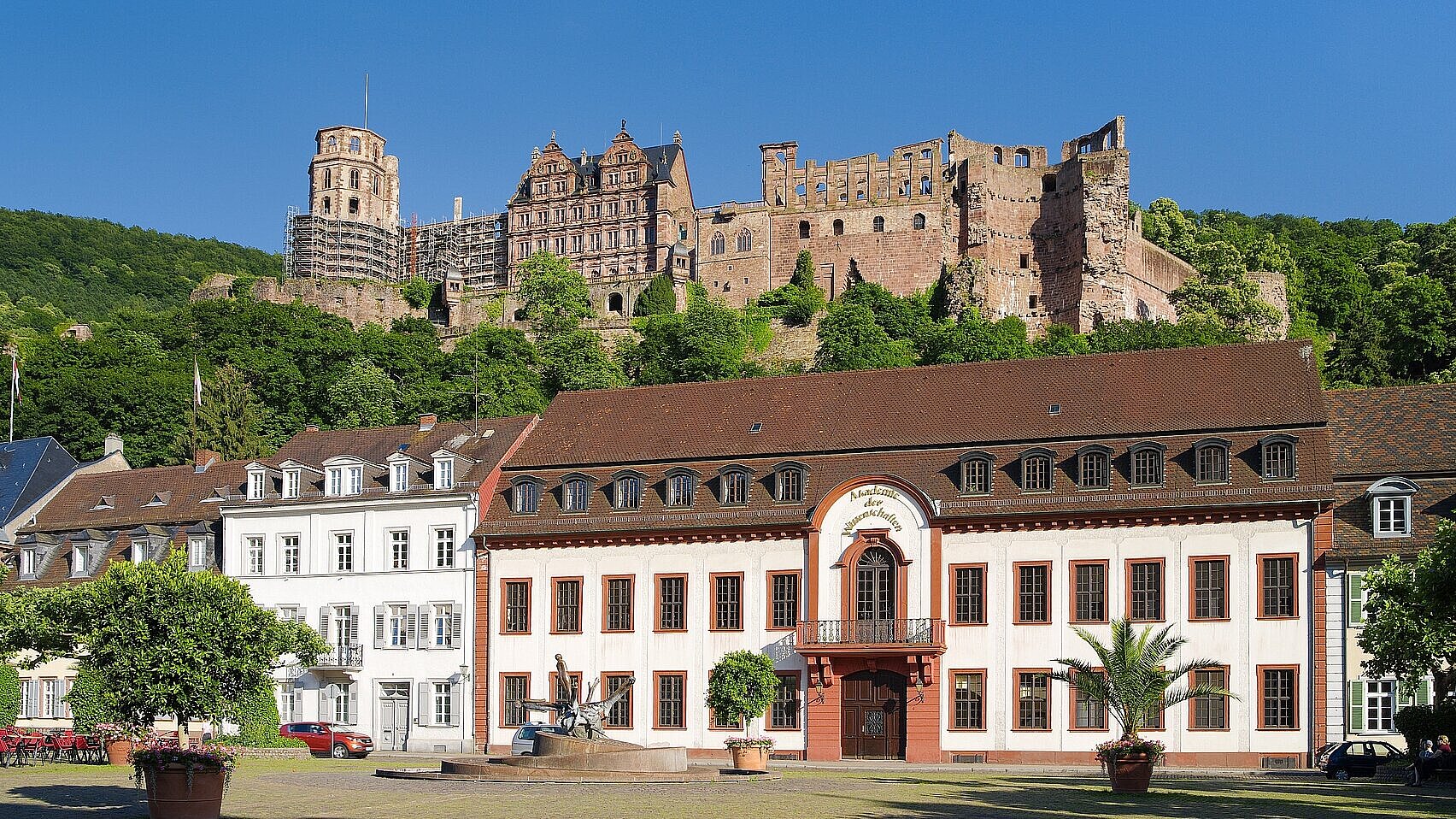
Berlin-Brandenburgische Akademie der Wissenschaften
1992 neu konstituiert / gegründet 1700
Mit rund 400 Mitarbeiterinnen und Mitarbeitern ist sie die größte außeruniversitäre geisteswissenschaftliche Forschungseinrichtung in Berlin-Brandenburg.
1992 neu konstituiert, geht die Berlin-Brandenburgische Akademie der Wissenschaften auf die von Gottfried Wilhelm Leibniz im Jahr 1700 gegründete Wissenschaftssozietät zurück. Sie steht in der Tradition der vor allem als spätere Preußische Akademie der Wissenschaften weltweit zu Ruhm gelangten Berliner Wissenschaftsakademie und vereinte von Beginn an Natur- und Geisteswissenschaften. 80 Nobelpreisträger prägen diese Geschichte. Heute ist sie mit über 300 gewählten Mitgliedern eine Fach- und Ländergrenzen überschreitende Vereinigung von Wissenschaftlerinnen und Wissenschaftlern und trägt eine besondere Verantwortung für den Wissenschaftsstandort in der Hauptstadtregion.

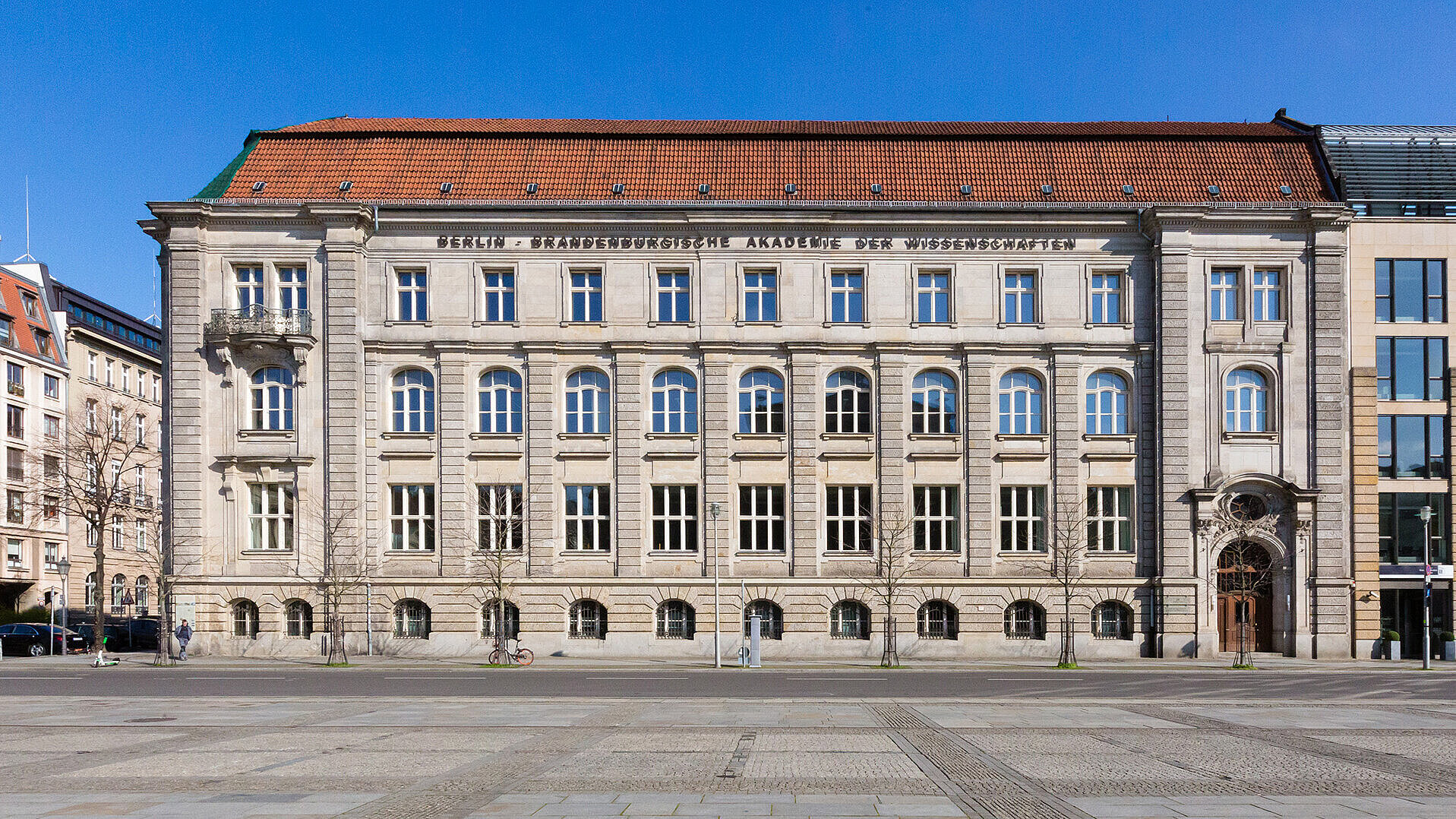
Berlin-Brandenburgische Akademie der Wissenschaften
Jägerstraße 22/23
10117 Berlin
Tel. 030 / 20370-0
Fax 030 / 20370-600
bbaw.de
Geisteswissenschaftliche Forschung, die interdisziplinäre Bearbeitung wissenschaftlicher und gesellschaftlicher Zukunftsfragen sowie der Dialog zwischen Wissenschaft und Öffentlichkeit bilden die Kernbereiche der Arbeit der Akademie.
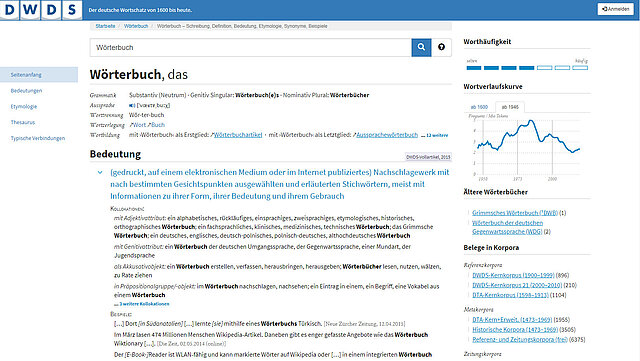
25 Akademienvorhaben, die im Rahmen des Akademienprogramms gefördert werden, und eine Vielzahl von Drittmittelprojekten machen die Akademie zur größten außeruniversitären Forschungseinrichtung mit geisteswissenschaftlichem Profil in der Region. Zu ihren Projekten gehören große deutsche und fremdsprachige Wörterbücher, die Edition von Texten und Quellen aus Antike, Mittelalter und Neuzeit, der Werke von „Klassikern“ unterschiedlicher Wissenschaftsbereiche sowie Dokumentationen.
In interdisziplinären Arbeitsgruppen und Initiativen – einer in der deutschen Akademienlandschaft innovativen Arbeitsform – befassen sich Akademiemitglieder gemeinsam mit externen Fachkollegen und Nachwuchswissenschaftlern mit Zukunftsfragen unserer Gesellschaft. Mit den als Forschungsberichte, Memoranden und Empfehlungen vorgelegten Ergebnissen und deren öffentlicher Diskussion leistet die Akademie einen aktiven Beitrag zur Politik- und Gesellschaftsberatung.
International ist sie vertraglich mit rund 20 Akademien auf vier Kontinenten vernetzt. Die Berlin-Brandenburgische Akademie der Wissenschaften war im Jahre 2000 entscheidend an der Gründung der Jungen Akademie und 2010 der Global Young Academy beteiligt und hat 2013 mit der Arabian Gulf University (Bahrain) die Arab-German Young Academy of Sciences and Humanities (AGYA) ins Leben gerufen.
Ausgewählte Projekte der Akademie
Anpassungsstrategien der späten mitteleuropäischen Monarchie am preußischen Beispiel 1786 bis 1918

Ausgewählte Projekte der Akademie
Commentaria in Aristotelem Graeca et Byzantina


- Ausgewählte Projekte der Akademie
- Ausgewählte Projekte der Akademie
- Ausgewählte Projekte der Akademie
- Ausgewählte Projekte der Akademie
Präsidium
Prof. Dr. Ulrike Kuhlmann
Vizepräsidentin
Bauwesen/Stahlbau, Holzbau und Verbundbau
u.kuhlmann@ke.uni-stuttgart.de
Sekretare
Prof. Dr. Gudrun Krämer
Geisteswissenschaftliche Klasse
Islamwissenschaften
Stellvertretende Sekretarin
Prof. Dr. Eva Cancik-Kirschbaum
Altorientalistik/Assyriologie
Prof. Dr. Wolfgang Knöbl
Sozialwissenschaftliche Klasse
Soziologie
Stellvertretende Sekretarin
Prof. Dr. Christine Windbichler
Handels-, Wirtschafts- und Arbeitsrecht
Prof. Dr. Thomas Elsässer
Mathematisch-naturwissenschaftliche Klasse
Experimentalphysik
Stellvertretender Sekretar
Prof. Dr. Matthias Drieß
Metallorganische Chemie und Anorganische Materialien
Prof. Dr. Max Löhning
Biowissenschaftlich-medizinische Klasse
Immunologie und Rheumatologie
Stellvertretende Sekretarin
Prof. Dr. Christine Heim
Medizinische Psychologie
Prof. Dr. Olaf Dössel
Technikwissenschaftliche Klasse
Elektrotechnik und Informationstechnik, Biomedizinische Technik
Stellvertretender Sekretar
Prof. Dr. Klaus Petermann
Hochfrequenztechnik