Bayerische Akademie der Wissenschaften
gegründet 1759
In mehr als 60 Projekten betreibt die BAdW Grundlagenforschung in den Geistes- und Sozialwissenschaften sowie in den Natur- und Technikwissenschaften.
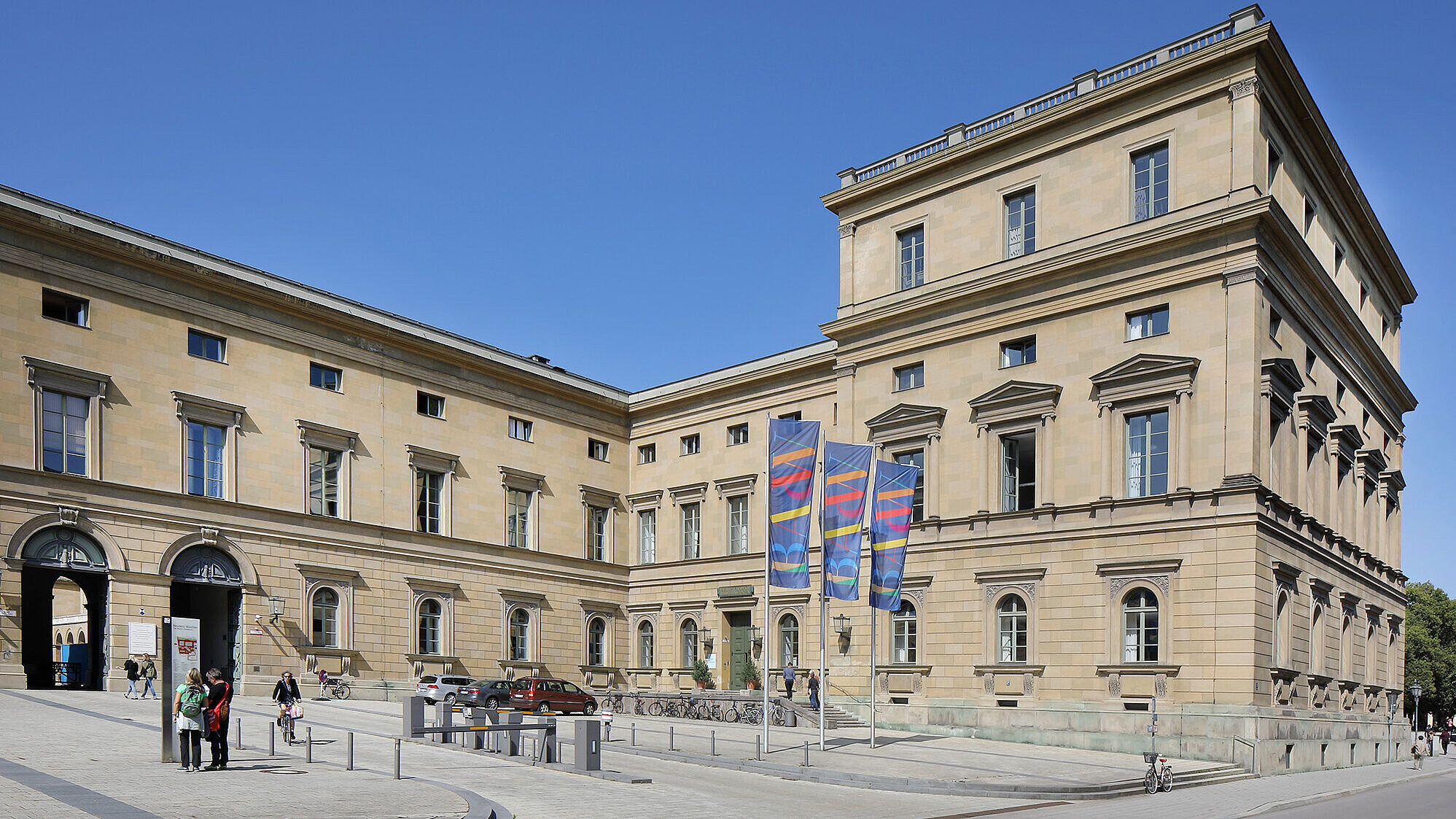
Die Bayerische Akademie der Wissenschaften ist die größte, forschungsstärkste und eine der ältesten der acht Landesakademien in Deutschland. Sie betreibt innovative Langzeitforschung, vernetzt Gelehrte über Fächer- und Ländergrenzen hinweg, sie wirkt mit ihrer wissenschaftlichen Expertise in Politik und Gesellschaft, fördert wissenschaftlichen Nachwuchs und ist ein Forum für den Dialog zwischen Wissenschaft und Öffentlichkeit. Zu ihr gehören das Leibniz-Rechenzentrum, das Walther-Meißner-Institut für Tieftemperaturforschung, das Bayerische Forschungsinstitut für Digitale Transformation und die Kommission für bayerische Landesgeschichte.

Bayerische Akademie der Wissenschaften
Alfons-Goppel-Str. 11
80539 München
Tel. 089 / 23031-0
Fax 089 / 23031-1100
Den exzellenten wissenschaftlichen Nachwuchs in Bayern fördert sie in ihrem Jungen Kolleg.
Spitzenwissenschaftlerinnen und -wissenschaftlern bietet die Akademie ein Forum für den interdisziplinären Austausch. Auf diese Weise entstehen Synergieeffekte und Impulse, auf deren Grundlage neue Forschungsfragen entwickelt werden können. Nachwuchswissenschaftlerinnen und -wissenschaftlern in Bayern ermöglicht die BAdW den generationenübergreifenden Dialog mit etablierten Forscherinnen und Forschern. Zahlreiche berühmte Forscher und Gelehrte, darunter eine Reihe von Nobelpreisträgern, waren und sind Mitglieder der BAdW, unter ihnen Alexander und Wilhelm von Humboldt, Therese von Bayern, Max von Pettenkofer, Max Planck, Albert Einstein, Max Weber, Theodor Hänsch, Gerhard Ertl und Reinhard Genzel. Den exzellenten wissenschaftlichen Nachwuchs in Bayern fördert die Akademie in ihrem Jungen Kolleg. Ein entscheidendes Kriterium für die Aufnahme ist der innovative, kreative Charakter des Forschungsvorhabens. Das Junge Kolleg wird vom Bayerischen Staatsministerium für Wissenschaft und Kunst finanziert. Seit 2018 vergibt die BAdW Post-Doc-Stipendien für Forschungsvorhaben, die in direktem Zusammenhang mit einem der Akademieprojekte stehen.
Die Bayerische Akademie der Wissenschaften publiziert ihre Forschungsergebnisse in Schriftenreihen und stellt sie im Rahmen ihrer Open-Access-Strategie kostenlos online zur Verfügung. Tagungen und Workshops dienen dem wissenschaftlichen Austausch. Publikumsveranstaltungen fördern den Dialog zwischen Wissenschaft und Öffentlichkeit. Die meisten Veranstaltungen gibt es zusätzlich online zum Nachhören in der BAdW-Mediathek, ebenso wie Podcast-Themenreihen und Projektfilme. Das Magazin „Akademie Aktuell“ informiert dreimal jährlich über aktuelle Forschungsergebnisse und die Aktivitäten der Akademiemitglieder.
Ausgewählte Projekte der Akademie
Corpus der barocken Deckenmalerei in Deutschland

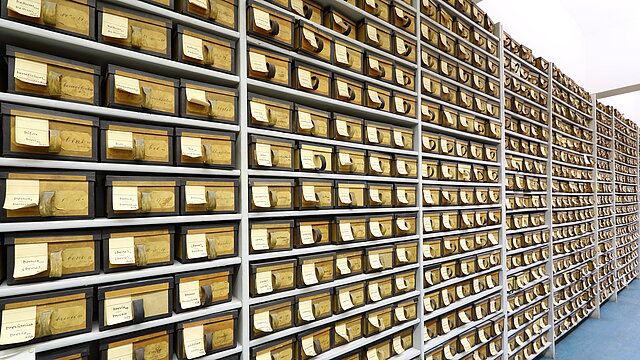
Ausgewählte Projekte der Akademie
Der Österreichische Bibelübersetzer

Ausgewählte Projekte der Akademie
Kritische Ausgabe der Werke von Richard Strauss
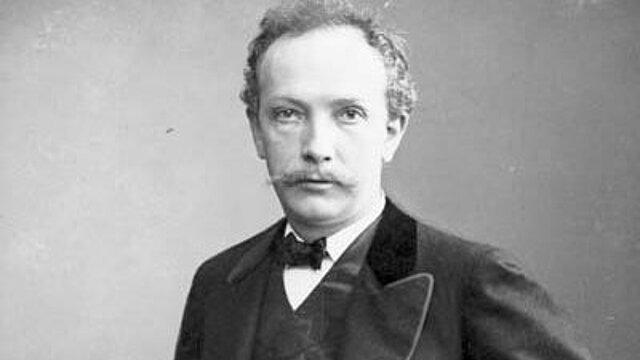
- Ausgewählte Projekte der Akademie
- Ausgewählte Projekte der Akademie
- Ausgewählte Projekte der Akademie
- Ausgewählte Projekte der Akademie
Präsident
Sektionssprecher/innen
Prof. Dr. Hendrik Birus
Sektion I
Allgemeine und Vergleichende Literaturwissenschaft
Prof. Dr. Andrea Abele-Brehm
Sektion II
Sozialpsychologie
Prof. Dr. Arndt Bode
Sektion III
Informatik
Prof. Dr. rer. nat. Martin Biel
Sektion IV
Pharmazie
Verwaltung
Dr. Johannes Bernwieser
Stellvertretender Generalsekretär und Abteilungsleiter Forschung
Dr. Ellen Latzin
Abteilungsleiterin Presse- und Öffentlichkeitsarbeit, Pressesprecherin