Akademie der Wissenschaften in Hamburg
gegründet 2004
Die Akademie in Hamburg ist die jüngste der in der Akademienunion zusammengeschlossenen Mitgliedsakademien.
Interdisziplinäre Forschung in Norddeutschland anzuregen, Hochschulen und Forschungsinstitute zu vernetzen und Wissenschaft und Öffentlichkeit in Dialog zu bringen – mit diesen Zielen rief die Stadt Hamburg im Jahr 2004 die Akademie ins Leben. Die Akademie in Hamburg ist die jüngste der in der Akademienunion zusammengeschlossenen Mitgliedsakademien.
Der Akademie in Hamburg gehören herausragende Wissenschaftlerinnen und Wissenschaftler besonders aus Hamburg, Schleswig-Holstein und Mecklenburg-Vorpommern an. Sie ist nicht in Klassen organisiert, sondern die Mitglieder konzipieren und bearbeiten in interdisziplinären Arbeitsgruppen Projekte zu wissenschaftlichen Grundlagenproblemen und gesellschaftlich bedeutenden Zukunftsfragen. Das Spektrum der Themen reicht von Friedens- und Konfliktforschung, Infektionsforschung, Klimawandel, Quantenphysik und Gravitation, Nanotechnologie, Netzwerkforschung bis hin zu Fragen der Wasserstoff-Forschung sowie des Vergleichs methodischer Standards in den Wissenschaften.

Akademie der Wissenschaften in Hamburg
Edmund-Siemers-Allee 1
20146 Hamburg
Tel. 040 / 429 48 669 - 0
Fax 040 / 448 07 52
Alle zwei Jahre vergibt die Akademie den von der Hamburgischen Stiftung für Wissenschaften, Entwicklung und Kultur Helmut und Hannelore Greve mit 100.000 Euro dotierten Hamburger Wissenschaftspreis. Für den wissenschaftlichen Nachwuchs hat die Akademie das Programm Forum Junge Wissenschaft initiiert, das Mittel für Konferenzen zur Verfügung stellt und fördert junge Nachwuchswissenschaftlerinnen und -wissenschaftler als Young Academy Fellows. Mit fachübergreifenden Schülerlaboren unterstützt die Akademie junge Menschen dabei, wissenschaftliche, gesellschaftliche und politische Prozesse zu verstehen und beurteilen zu können. Die Akademie engagiert sich mit Vorlesungsreihen und Podiumsdiskussionen für den Dialog zwischen Wissenschaft und Gesellschaft.
Ausgewählte Projekte der Akademie
Elektronisches Wörterbuch Deutsche Gebärdensprache (DGS) – Deutsch


Ausgewählte Projekte der Akademie
Die Schriftkultur des christlichen Äthiopiens und Eritreas

Ausgewählte Projekte der Akademie
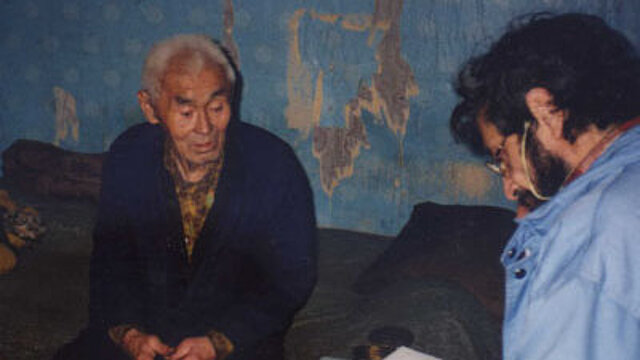
Grammatiken und Sprachtechnologie für indigene nordeurasische Sprachen
- Ausgewählte Projekte der Akademie
- Ausgewählte Projekte der Akademie
- Ausgewählte Projekte der Akademie
- Ausgewählte Projekte der Akademie
Vorstand
Prof. Dr. Gabriele Clemens
Vizepräsidentin
Geschichtswissenschaften
Prof. Dr. Andreas K. Engel
Vorstandsmitglied
Neurophysiologie/Kognitive Neurowissenschaft
Prof. Dr. Tania Lincoln
Vorstandsmitglied
Psychologie